
NBI Clearance “Hit” Status Explained for 2026 Applicants
If you’re applying for an NBI Clearance and you see the word “Hit” next to your status, don’t panic. It looks scary, but it doesn’t mean you’re in trouble automatically. Many applicants get this, and it’s mostly just a verification step before your clearance can be released. Let’s break it down in simple terms so you know exactly what’s happening and what to do next.
What Does “Hit” Mean in NBI Clearance?
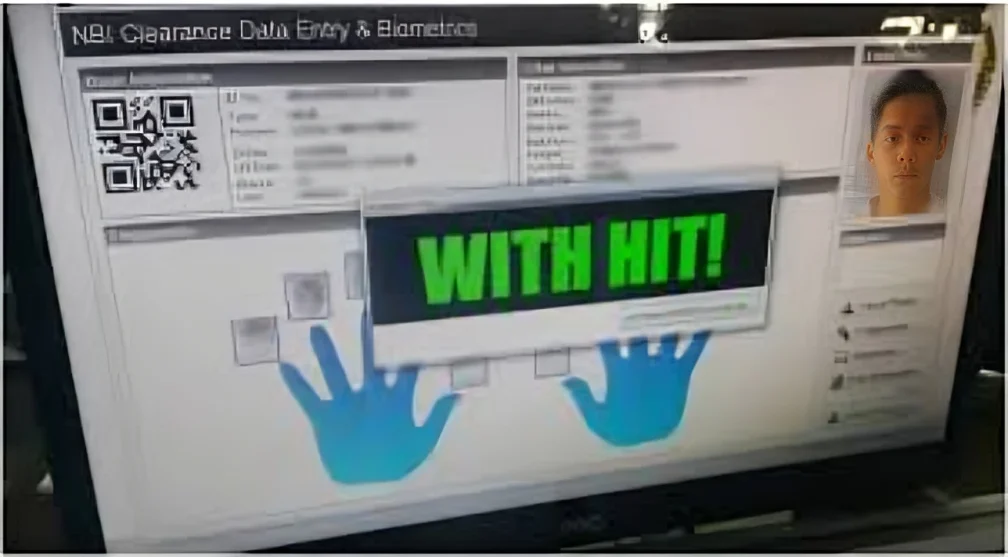
A Hit shows up when the NBI’s system finds a match between your details and something in their database. That database holds records of cases, warrants, or previous applications that might be linked to a name.
But here’s the key point:
It only means the system needs to check your identity more carefully because there’s a similar or matching entry in the system. This could just be a namesake — someone who shares your name — not you.
Why Do People Get a “Hit”?
There are a few common reasons a Hit shows up:
Same or Similar Name
If you have a common name that many people share, the NBI system might flag it because someone else with that name has a record.
Name Spelling or Format Differences
Using nicknames, middle initials, or slight spelling changes in past documents might trigger a hit.
Past Legal Cases (Even Resolved Ones)
If you were ever involved in a case before — even if it’s dismissed — it might still show up in the records.
Administrative Errors or Mismatches
Sometimes the system flags a name because of old clerical mistakes or mismatched data.
What Happens After You Get a “Hit”?
When your application shows a Hit, your NBI Clearance is not released immediately. Instead, the NBI puts it on hold for further checking. During this verification period:
Most of the time — especially for common name issues — you’ll be told to return to the same branch on a scheduled date to check the result. This date is often printed on your payment receipt or handed to you after the interview.
How Long Does a Hit Delay Your Clearance?
The delay period varies, but typically:
Don’t worry if it’s not instant. This is just part of the process.
What You Should Do When You Get a Hit
Here’s how to handle it step by step:
Keep Your Receipt and IDs
When you applied, you got a receipt. Save it — you’ll need it when you return for verification.
Go Back on the Date Given
Show up at the same NBI branch on the date they told you. Showing up on time speeds up the process.
Bring Valid IDs
Bring the same IDs you used during your application. Government-issued IDs help prove your identity.
Be Ready for a Short Interview (if asked)
An NBI officer might ask simple questions about your name, birth date, and background — just to confirm it’s really you.
Submit Extra Documents Only if Asked
In rare cases, if the hit is truly linked to a past case, you might be asked for court documents or dismissal papers. This happens less often than most people think.
you can also read about: How to Fix NBI Online Registration Errors in 2026
Common Myths About “Hit” Status
Let’s clear up a few things that worry people:
It’s just a system flag that needs checking.
Most hits result in a clearance once identity is confirmed.
You just can’t use the clearance until it’s fully released.
Tips to Reduce Chances of a Hit
You might not be able to avoid hits completely, but these tips help:
FAQ’s
Final Words
Getting a Hit status on your NBI Clearance might feel stressful at first, especially if you need the document for a job or travel. But now you know that it’s not a “problem” in most cases — it’s just part of how the system checks identities to keep records accurate.
Stay calm, follow the process, and return on your scheduled date with your paperwork ready. Most hits are cleared smoothly, and you’ll get your certificate soon. Being prepared and informed helps you avoid confusion and delays, so you can focus on your next steps with confidence.


